
Why Do Electrical Switches Become Hot or Discolored?
An electrical switch should not become noticeably hot or develop brown, black, or yellow marks during normal use. These signs can point to loose connections, overloaded circuits, damaged wiring, or a faulty switch.
Ignoring these warning signs can allow an electrical problem to worsen. Professional electrician services Dubai can inspect the switch, wiring, connections, circuit load, and breaker to find the cause and recommend the right repair.
What Causes an Electrical Switch to Become Hot?
A warm switch can sometimes occur under normal conditions, but noticeable or increasing heat usually needs attention. Electrical resistance, excessive current, loose connections, and worn components can all contribute to switch heating.
Loose Electrical Connections Can Create Heat
Loose terminals can increase resistance at the connection point and generate heat as current flows. A professional electrician can inspect the connections and repair them when necessary.
An Overloaded Circuit Can Heat the Switch
A circuit carrying too much electrical demand can place additional stress on its wiring and connected components. High-power appliances operating together may contribute to excessive heat around the switch.
A Faulty Switch Can Generate Heat
A worn switch may develop damaged internal contacts that create additional resistance during operation. As the switch continues working, this resistance can produce heat and affect its performance.
Damaged Wiring May Cause Overheating
Damaged, deteriorated, or poorly connected wiring can create resistance and heat behind the switch. Wiring problems may worsen over time, making a professional electrical inspection important.
Why Does an Electrical Switch Become Discolored?
Discoloration often indicates that the switch or surrounding material has experienced excessive heat, arcing, smoke, or another abnormal electrical condition. The visible mark can signal a problem behind the switch plate.
Brown or Yellow Marks Can Indicate Heat
Brown or yellow discoloration may develop when a switch repeatedly experiences excessive heat. Continued heating can damage the plastic plate and may indicate an underlying connection or circuit problem.
Black Marks May Indicate Arcing
Black marks around a switch can sometimes indicate electrical arcing or severe overheating. Arcing can generate intense heat and damage nearby components, so professional inspection should follow visible scorching.
Melted Plastic Signals Excessive Heat
Melted or deformed plastic around a switch indicates that the area has experienced significant heat. Stop using the affected switch and arrange a professional inspection to identify the source.
Discoloration Can Spread Over Time
A small mark may become darker or larger when the underlying electrical problem continues. Continued use can increase heat and potentially damage the switch, wiring, or surrounding components.
Electrical Switches Become Hot?
A hot or discolored switch can indicate loose connections, overloaded circuits, faulty wiring, or switch damage. Get the electrical fault inspected before it becomes more serious.
Can a Loose Connection Make a Switch Hot?
Yes, a loose electrical connection can create resistance and generate heat. The problem may develop inside the switch, electrical box, or wiring connection, making professional inspection important when heat continues.
01
Loose Terminals Increase Electrical Resistance
A loose terminal does not maintain the intended electrical contact properly. The resulting resistance can generate heat and may cause discoloration around the switch during repeated operation.
02
Heat Can Damage Nearby Components
Continuous heat can affect the switch plate, insulation, terminals, and surrounding electrical components. If the loose connection remains unresolved, the damage may become more extensive.
03
Flickering May Appear Alongside Heat
A loose connection can sometimes interrupt the electrical flow and cause connected lights or appliances to flicker. Flickering alongside a hot switch provides another reason to arrange an electrical inspection.
04
Professional Repair Can Address the Cause
An electrician can safely inspect the connection, identify damage, and determine the appropriate repair. Simply replacing the switch may not solve the problem if the wiring connection remains faulty.
Can an Overloaded Circuit Cause a Hot Switch?
An overloaded circuit can increase electrical demand and contribute to heat around switches and connections. The risk becomes more concerning when high-power appliances share a circuit with several other devices.
High-Power Appliances Increase Electrical Demand
Air conditioners, heaters, ovens, water heaters, and other high-power appliances can draw substantial current. Running several demanding appliances together can increase the load placed on a circuit.
Too Many Devices Can Overload One Circuit
Connecting numerous appliances to one circuit increases total electrical demand. If the circuit cannot handle the load safely, connected wiring, outlets, and switches may experience additional stress.
Older Circuits May Have Limited Capacity
Older electrical systems may have circuits designed for lower household demand. Adding modern high-power equipment can place greater pressure on existing circuits and contribute to overheating problems.
A Circuit Load Check Can Find the Problem
An electrician can assess the electrical load and identify whether connected appliances exceed the circuit capacity. The inspection can help determine if load redistribution or another electrical solution is needed.
Is a Hot or Discolored Switch Dangerous?
A hot or discolored switch can indicate an electrical fault. Burning smells, buzzing, sparks, or smoke may signal overheating, loose connections, electrical arcing, or damaged components.
Burning Smells Need Immediate Attention
- A burning smell may indicate overheated wiring or insulation.
- Electrical components can become damaged as heat increases.
- The smell may become stronger when you use the switch.
- Stop using the switch and arrange a professional electrical inspection.
Sparks Should Never Be Ignored
- Sparks can indicate loose connections or damaged switch components.
- Electrical arcing can create intense heat around the switch.
- Continued use may increase the risk of further damage.
- Avoid the switch and arrange professional electrical assistance.
Buzzing or Crackling Can Indicate Faults
- Buzzing can indicate loose electrical connections inside the switch.
- Crackling may point to electrical arcing or damaged contacts.
- Popping sounds can signal an unstable electrical connection.
- Stop using the switch and have an electrician inspect it.
Smoke Indicates a Serious Problem
- Smoke can indicate severe overheating inside the switch or wiring.
- Electrical components may already have significant heat damage.
- Do not continue operating a smoking switch or outlet.
- If a fire develops, leave the area and seek emergency assistance.
How Dubai Fixes Can Help With a Hot Switch
Our expert technicians can inspect a hot or discolored switch and look beyond the visible damage to find the underlying electrical problem. The electrician can check the switch, wiring, connections, circuit load, and breaker.
If the issue involves a loose connection, faulty switch, damaged wiring, or overloaded circuit, the technician can explain the problem and recommend the appropriate electrical repair.
A proper inspection helps you address the cause instead of simply replacing a discolored switch. This can also help identify related electrical issues affecting nearby outlets, lights, or circuits.
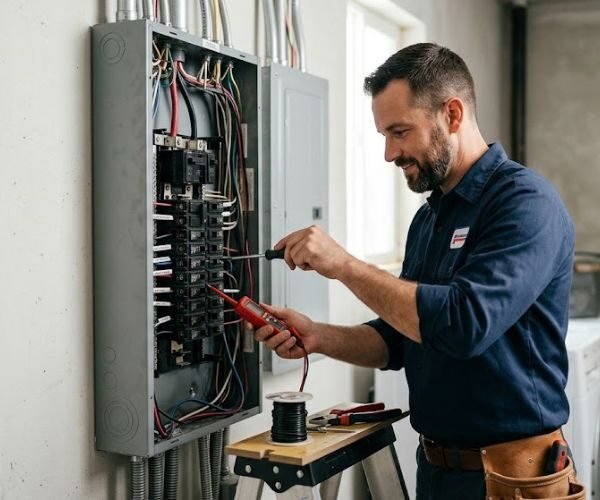
What Should You Do If a Switch Becomes Hot?
Avoid using a switch that becomes unusually hot or discolored until you understand the cause. Simple safety steps can reduce further use, but electrical repairs require qualified professional attention.
Stop Using the Affected Switch
Avoid repeatedly operating a hot or discolored switch. Continued use can increase heat if the underlying issue involves a loose connection, damaged wiring, or a faulty internal component.
Turn Off the Circuit If Safe
If you can safely identify the affected circuit, switch it off at the breaker. Do not touch damaged wiring or attempt to investigate inside the electrical panel.
Check for Visible Warning Signs
Look for discoloration, melting, burning smells, sparks, smoke, or unusual sounds. These signs can help an electrician understand what happened and identify areas that need closer inspection.
Avoid DIY Electrical Repairs
Do not remove switch plates, tighten wiring, or replace internal components without proper electrical knowledge. Electrical parts can create serious shock risks even when the switch appears switched off.
Wrapping Up:
A hot or discolored electrical switch can point to loose connections, circuit overload, damaged wiring, electrical arcing, moisture, or a failing switch. These signs deserve attention, especially when you also notice burning smells, sparks, smoke, or buzzing.
Dubai Fixes can inspect the affected switch and electrical circuit to identify the cause and recommend the right repair. Acting early can help prevent further electrical damage and keep your property’s electrical system operating safely.
Hot Electrical Switch? Get It Checked
Burning smells, buzzing, discoloration, or unusual heat can signal an electrical problem. Get a professional electrical inspection to identify the cause and arrange the right repair.