
What Happens If an AC Is Installed With the Wrong Capacity?
Choosing the wrong AC capacity can cause more than uneven cooling. An undersized unit may run for long periods without reaching the set temperature, while an oversized system can cycle too frequently and struggle to remove moisture properly. Room size, ceiling height, windows, occupancy, insulation, and heat-producing equipment all affect the required cooling capacity.
Before buying or installing a new system, you need to match the AC capacity to the space and its cooling load. A professional AC installation in Dubai can assess the room, check the installation conditions, and help you select a suitable unit before installation begins.
Why Does AC Capacity Matter?
AC capacity determines how much heat the system can remove from your room. The correct size helps the unit maintain a comfortable temperature through suitable cooling cycles without unnecessary strain or excessive energy use.
An Undersized AC Runs for Too Long
An undersized AC may run continuously because it cannot remove enough heat from the room. This increases runtime, raises energy use, and can place additional strain on system components.
An Oversized AC Cycles Too Often
An oversized AC can reach the thermostat setting quickly and shut down before completing a suitable cooling cycle. Frequent starts can affect comfort and increase unnecessary wear over time.
Cooling Becomes Uneven
A unit with unsuitable capacity may struggle to maintain consistent temperatures across the room. You may notice warm areas, longer cooling times, or noticeable temperature differences despite continuous AC operation.
Humidity Control Can Suffer
An oversized AC may cool the room quickly and switch off before removing enough moisture. The temperature may feel comfortable, yet the room can still feel damp or uncomfortable.
What Problems Can Wrong AC Capacity Cause?
Incorrect sizing can affect cooling performance, energy consumption, humidity control, and component operation. Some problems appear quickly after installation, while others become noticeable through repeated cycling, long runtimes, or inconsistent indoor comfort.
Higher Electricity Consumption
An undersized AC may operate for extended periods because it cannot reach the selected temperature efficiently. An oversized unit can also waste energy through frequent starts and stops.
Frequent Compressor Cycling
An oversized system can reach the thermostat setting quickly, causing repeated compressor starts and stops. This cycling can compromise comfort and impose unnecessary operating demands on important system components.
Poor Indoor Comfort
The wrong capacity can make your room uncomfortable even when the thermostat shows the desired temperature. An undersized unit may leave warm areas, while oversized cooling can feel abrupt.
Shorter Equipment Life
Incorrect capacity does not automatically damage an AC, but unsuitable operating cycles can increase component workload. Frequent starts or prolonged operation may contribute to additional wear over time.
Moisture Problems
An oversized AC may cool the room quickly without running long enough to remove sufficient moisture. This can leave the space feeling damp despite reaching the selected temperature setting.
Need Help Choosing the Right AC?
Get professional AC installation support to select the right capacity, placement, and setup for your space.
What Determines the Right AC Capacity?
Room size provides only a starting point when selecting an AC. You also need to consider ceiling height, windows, sunlight, occupancy, insulation, equipment, and other conditions that affect the cooling load.
01
Room Size and Ceiling Height
A larger room generally requires more cooling capacity, while high ceilings increase the volume of air inside the space. Measure both dimensions accurately before discussing suitable AC capacity.
02
Windows and Sun Exposure
Large windows and direct sunlight can increase the amount of heat entering a room. Tell your installer about significant glass areas and sun exposure during the cooling assessment.
03
Heat-Producing Equipment
Computers, televisions, lighting, kitchen appliances, and other equipment release heat while operating. Tell your installer about equipment that regularly operates inside the room during normal daily use.
04
Insulation and Building Conditions
Insulation affects how quickly heat enters a room through walls, ceilings, windows, and doors. Poor insulation can increase cooling requirements and may affect the capacity recommendation for your space.
Avoid These AC Sizing Mistakes
Choosing an AC based only on price, appearance, or your previous unit can lead to poor cooling results. Check the following points before purchasing equipment for a new installation.
How Dubai Fixes Can Help With AC Sizing and Installation
We can assess your installation requirements before you commit to a new AC. The technician can review the space, selected equipment, installation location, electrical requirements, drainage, and other practical factors.
If your existing AC struggles to cool, the team can inspect the system before you assume its capacity is wrong. Problems such as dirty filters, restricted airflow, refrigerant issues, or faulty components can produce similar symptoms.
If the assessment shows that your current AC does not suit the space, Dubai Fixes can discuss the appropriate installation approach and explain what needs to change for better cooling performance.
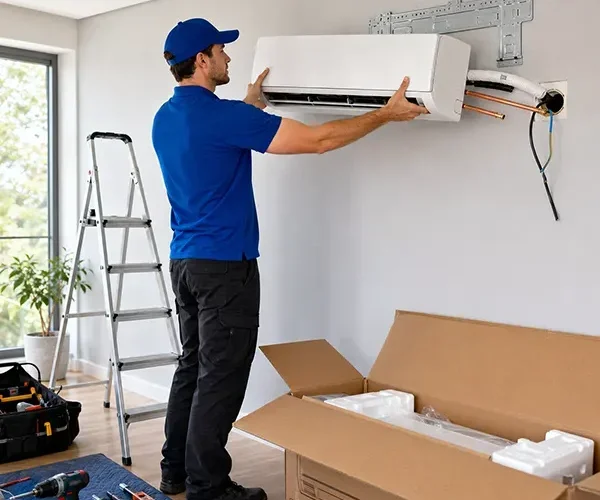
Can Professional Installation Prevent Capacity Problems?
Professional installation starts with proper planning, not just mounting the indoor unit. A technician can assess the space, review the selected model, check installation conditions, and identify potential problems before connecting the system.
01
Assess the Space Before Installation
A site assessment allows the installer to review room dimensions, layout, windows, access, and other factors that affect cooling requirements. This helps identify potential sizing concerns before installation begins.
02
Confirm the Selected Unit
Your installer can review the selected model and rated capacity against the intended room. If the system appears unsuitable, you can discuss other options before installation rather than correcting the issue later.
03
Plan Airflow Properly
Correct capacity cannot compensate for poor airflow. The indoor unit needs suitable positioning, while ducted systems require appropriate distribution. Proper planning helps cooled air reach the intended areas effectively.
04
Test the System After Installation
After installation, the technician should operate the AC and check its basic performance. Testing can include cooling response, airflow, drainage, and other operating conditions relevant to the newly installed system.
Wrapping Up:
Installing an AC with the wrong capacity can lead to long operating cycles, frequent compressor starts, uneven cooling, poor moisture control, higher energy use, and unnecessary strain on components. However, similar symptoms can also result from maintenance or mechanical problems.
Before choosing your new unit, check the room size, ceiling height, windows, occupancy, insulation, equipment, and airflow requirements. Dubai Fixes can assess your space and help you choose an AC that matches the actual cooling demand instead of simply selecting a larger or smaller model.
Choosing the Right AC? Get Professional Installation Help
Our AC installation service can help you choose a suitable unit, check the required capacity, and complete the installation based on your space.